
Get Flood Damage Restoration in Lilburn, GA
Flood damage restoration services help Lilburn, GA property owners repair water-affected areas, remove debris, dry out spaces, and restore homes after floods or leaks.
Flood damage restoration is a critical service for property owners in Lilburn, GA who want to protect their investments and maintain a safe, comfortable living environment. When water intrusion occurs, it can lead to structural issues, mold growth, and other costly problems if not addressed promptly and effectively. Exploring options for flood damage restoration helps property owners compare local contractors who specialize in restoring homes and businesses after water-related incidents, ensuring they find the right professional to handle their specific needs.
Understanding the importance of choosing experienced service providers in the area can make a significant difference in the restoration process. Many local contractors offer comprehensive flood damage services designed to minimize disruption and safeguard property value. By reviewing available options and planning projects carefully, property owners can make informed decisions about how to proceed, ensuring their property is restored efficiently and thoroughly. Keep reading to learn more about how local professionals can assist with flood damage restoration in Lilburn, GA.
- Basement Flooding - when heavy rains or plumbing failures cause water to accumulate in lower levels of homes in neighborhoods around Lilburn, GA.
- Storm Damage - after severe weather events such as hurricanes or thunderstorms that lead to water intrusion in residential or commercial properties.
- Pipe Bursts - in cases of sudden pipe failures inside homes or buildings, resulting in water spreading across floors and walls.
- Sump Pump Failures - when sump pumps malfunction during rainstorms, allowing floodwaters to overwhelm basements or crawl spaces.
- Sewage Backup - during plumbing blockages or sewer line issues that cause contaminated water to flood interior spaces in local communities.
Flood damage restoration services involve a comprehensive process to repair and restore properties affected by water intrusion. When flooding occurs, whether from heavy rains, burst pipes, or plumbing failures, it can lead to significant water accumulation inside a home or commercial building. Service providers assess the extent of the water damage, remove standing water, and then dry out affected areas using specialized equipment. This process helps prevent further issues such as mold growth, structural deterioration, and electrical hazards, ensuring the property is safe and sound once again.
These services are typically needed to address a range of problems caused by flooding. Excess water can damage flooring, walls, furniture, and personal belongings. It can weaken structural elements like drywall, framing, and foundations if not promptly addressed. Additionally, standing water creates an environment conducive to mold and bacteria growth, which can pose health risks. Flood damage restoration aims to eliminate moisture, sanitize affected areas, and restore the property to its pre-flood condition, helping homeowners avoid long-term damage and costly repairs.
Flood damage restoration is a common service for residential properties, especially in areas prone to heavy rainfall or storm surges. Homes with basements or lower levels are particularly vulnerable to water intrusion. Commercial buildings, such as offices, retail stores, and warehouses, also frequently require flood cleanup services after severe weather events or plumbing failures. Property managers and landlords often rely on local contractors to handle water removal and restoration swiftly to minimize disruption and protect their investments. In all cases, prompt action is essential to prevent secondary damage and ensure the safety of occupants.
Homeowners and property owners should consider flood damage restoration services whenever they experience water intrusion that cannot be easily cleaned or dried on their own. Signs include visible water pooling, damp or swollen walls and floors, persistent odors, or the appearance of mold. If flooding occurs due to storms, burst pipes, or leaks, contacting experienced local service providers can help manage the damage effectively. These professionals have the tools and expertise needed to handle water extraction, drying, cleaning, and restoration, helping properties return to normal quickly and safely.
The overview below groups typical Flood Damage Restoration projects into broad ranges so you can see how smaller, mid-sized, and larger jobs often compare in Lilburn, GA.
In many markets, a large share of routine jobs stays in the lower and middle ranges, while only a smaller percentage of projects moves into the highest bands when the work is more complex or site conditions are harder than average.
Smaller Repairs - typical costs for minor flood damage restoration in Lilburn often range from $250-$600, covering basic cleanup and drying services. Many routine jobs fall within this middle range, depending on the extent of water exposure.
Moderate Damage - for more extensive water intrusion affecting walls, flooring, or insulation, local contractors may charge between $1,000 and $3,000. Larger projects are less common but can push costs higher depending on the scope.
Severe Flooding - significant flooding that requires extensive extraction, structural repairs, and mold remediation can range from $3,500 to $8,000 or more. These larger, complex projects are less frequent but necessary for serious damage.
Full Replacement - in cases where building components are heavily compromised, full replacement of drywall, flooring, or cabinetry can exceed $10,000. Such extensive work is typically reserved for the most severe flood damage scenarios.
Actual totals will depend on details like access to the work area, the scope of the project, and the materials selected, so use these as general starting points rather than exact figures.
Mold Remediation - involves removing mold growth caused by excess moisture, similar to addressing water damage from flooding.
Water Damage Restoration - focuses on repairing structures affected by water intrusion, sharing techniques and tools used in flood damage recovery.
Structural Drying - uses specialized equipment to dry out buildings after water exposure, a key step in flood damage mitigation.
Basement Waterproofing - involves sealing and protecting below-ground spaces from water infiltration, related to flood prevention and damage control.
Storm Damage Repair - includes restoring properties after severe weather events, often involving water intrusion similar to flood scenarios.
Emergency Flood Cleanup - entails rapid response to remove standing water and debris, utilizing skills applicable to flood damage restoration projects.
When selecting a flood damage restoration service provider in Lilburn, GA, it’s important to evaluate their experience with similar projects. Homeowners should consider how long a contractor has been handling flood-related repairs and whether they have a proven track record of successfully restoring properties affected by water damage. Asking for information about past projects comparable in scope and complexity can help gauge a contractor’s familiarity with the challenges involved, ensuring that the chosen service provider understands the specific needs of flood-affected homes in the area.
Clear communication and written expectations are essential when working with local contractors. Homeowners should seek providers who offer detailed written estimates and scope of work, outlining what services will be provided and what the process will involve. This clarity helps prevent misunderstandings and ensures everyone is aligned on project goals. Additionally, good communication throughout the process, including responsiveness and transparency, can make the restoration experience smoother and more predictable.
Reputable references and a history of reliable service are key factors to consider when comparing flood damage restoration options. Homeowners are encouraged to ask potential contractors for references from previous clients, especially those who had similar restoration needs. Contacting these references can provide insight into the contractor’s professionalism, quality of work, and ability to meet expectations. Ultimately, choosing a service provider with strong references and a reputation for clear, consistent communication can help ensure a successful flood damage restoration experience.
Property owners in Lilburn, GA use Flood Damage Restoration services for practical projects around their homes and businesses. This guide focuses on everyday jobs and straightforward project options.
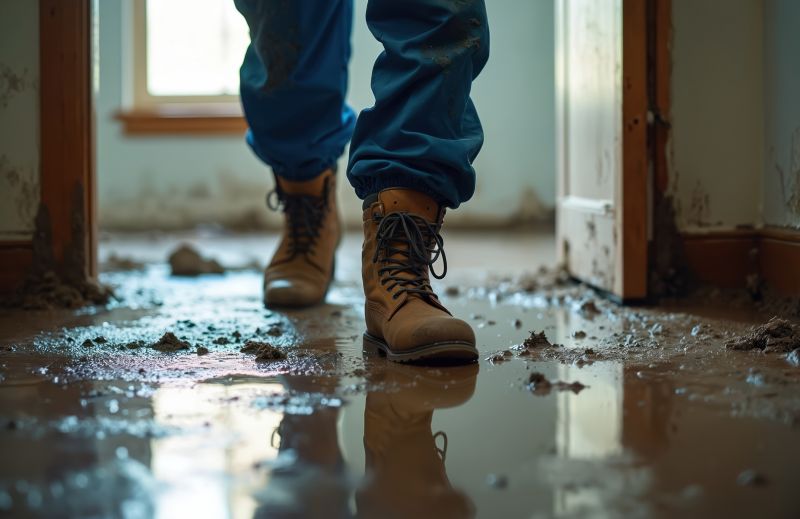
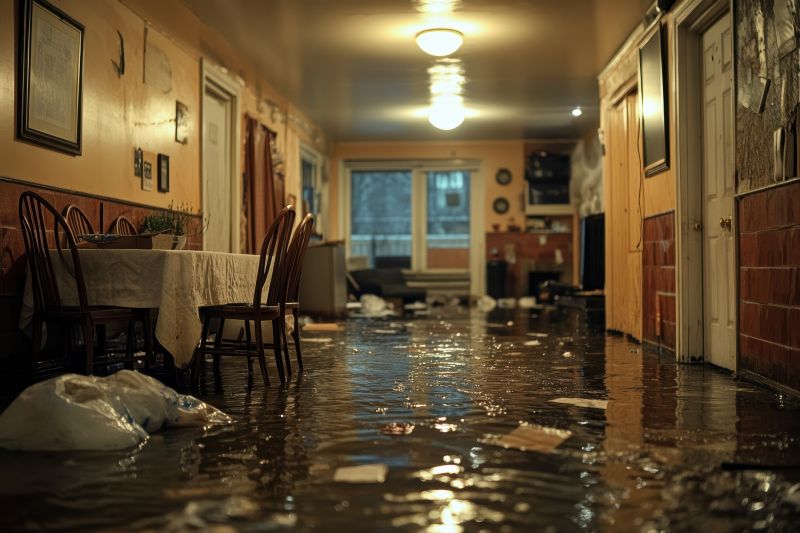
Flood damage restoration services are commonly sought after by property owners in Lilburn, GA, who experience unexpected water intrusion due to heavy rains, burst pipes, or appliance failures. Residential and commercial buildings alike may face issues such as soaked carpets, warped flooring, or compromised drywall, prompting owners to look for professional help to address the damage quickly and effectively. Local contractors specializing in flood damage restoration can assist with removing standing water, drying affected areas, and preventing further issues like mold growth, helping property owners restore their spaces to a safe and livable condition.
Many property owners in Lilburn turn to local service providers when dealing with water-related emergencies that disrupt daily life or business operations. Whether a basement has flooded after a storm or a leaking pipe has caused water to seep into walls and flooring, these professionals offer the expertise needed to handle the cleanup and restoration process. Connecting with experienced contractors ensures that property owners can manage the aftermath of flooding efficiently, minimizing potential long-term problems and safeguarding their investments.
What are the common causes of flood damage in Lilburn, GA? Flood damage can result from heavy rain, storms, burst pipes, or plumbing failures, which are common in the area.
How do local contractors handle flood damage restoration? They typically assess the extent of water intrusion, remove standing water, dry affected areas, and restore damaged structures.
What should be my first step after discovering flood damage? Contact experienced service providers to evaluate the damage and begin appropriate cleanup and drying procedures.
Are there specific signs indicating water has caused structural issues? Signs include warping, cracking, or sagging floors and walls, which local pros can identify during an inspection.
Can flood damage restoration prevent mold growth? Proper removal of water and thorough drying by local contractors can help reduce the risk of mold developing after flooding.
Water Damage Cleanup - Property owners can seek help to remove excess water after plumbing failures or storms, preventing further damage.
Mold Prevention and Removal - Local contractors can assist in addressing mold growth caused by lingering moisture after flooding events.
Structural Drying - Homeowners can work with service providers to thoroughly dry out walls, floors, and foundations affected by floodwaters.
Content Restoration - Residents can find professionals to restore or salvage personal belongings impacted by flood damage.
If you are thinking about Flood Damage Restoration for a property in Lilburn, GA, this guide is meant to help you understand the work, the typical project types, and how different options might fit your plans.
When you are ready, you can use the quote form on this page to share a few details about your project. From there, local pros can review the basics and respond with options that match what you have in mind.